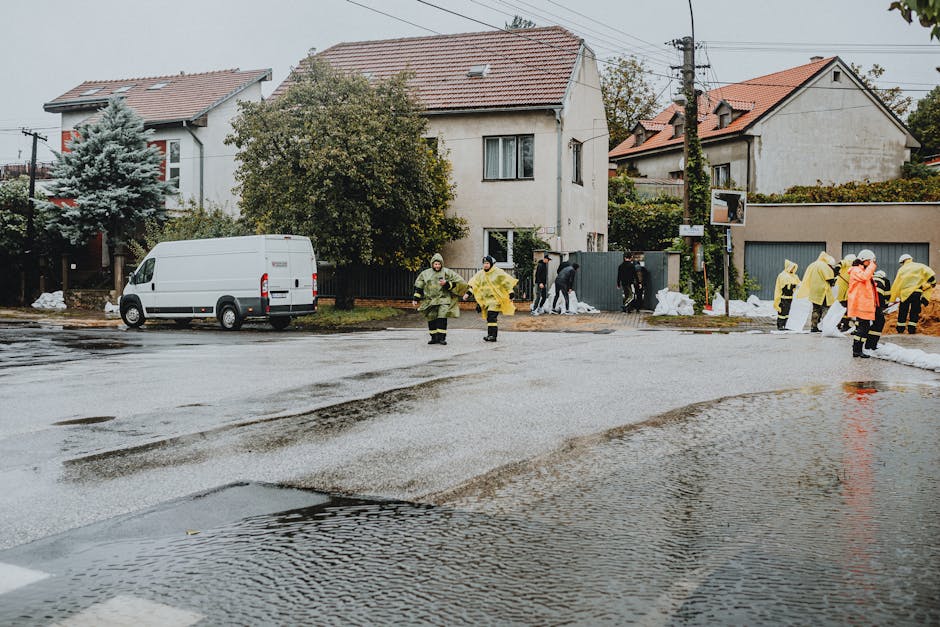
Emergency flood carpet cleaning in Clapton Common
Posted on 30/06/2026
If your carpet has been hit by a burst pipe, a leaking appliance, or a sudden downpour creeping in at the door, you probably want one thing first: calm, practical help. Emergency flood carpet cleaning in Clapton Common is about stopping the damage from spreading, getting moisture out quickly, and restoring the room before smells, staining, and hidden damp take hold. It sounds dramatic, and to be fair, it can be. But the right response is usually straightforward once you know what to do.
This guide walks you through what emergency flood carpet cleaning involves, why speed matters, how the process works, and what to avoid if you want the best chance of saving the carpet and the room beneath it. You will also find a checklist, a comparison table, and some honest guidance on when professional help makes sense.
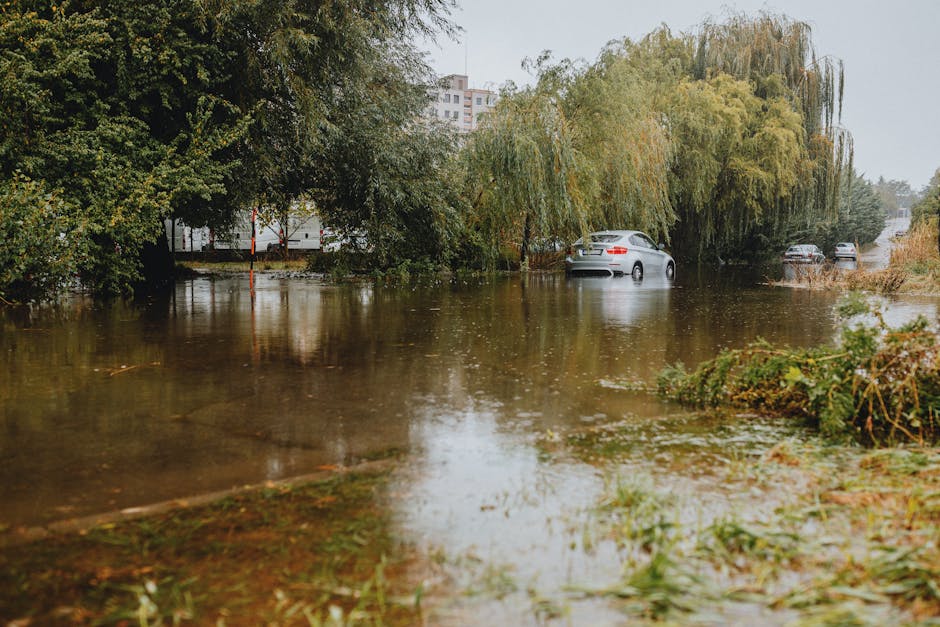
Why Emergency flood carpet cleaning in Clapton Common Matters
Water and carpets do not stay harmless for long. Even a small flood can soak the pile, push moisture into the underlay, and creep toward skirting boards or fitted furniture. Once that happens, you are not just dealing with a wet patch. You may be facing odour, staining, mould risk, damage to flooring below, and a much more expensive repair bill.
Clapton Common homes and nearby properties can vary a lot in age and layout, which makes flood response a bit different from one place to the next. A ground-floor flat with older flooring behaves differently from a newer property with tighter sealing and modern underlay. That is why fast, sensible action matters more than guesswork. Water follows the path of least resistance. Annoyingly, that path is often the one you did not notice at first.
Emergency carpet drying is not only about appearances. It is also about preserving indoor air quality and limiting secondary damage. If the water is contaminated, the urgency goes up again. Clean water from a supply pipe is one thing; grey water or foul water is another. You do not want to wait and see, because carpets can turn from salvageable to badly affected in just a short time.
Practical takeaway: the quicker moisture is removed and airflow is restored, the better the chances of saving the carpet, the underlay, and the room beneath.
For anyone comparing services in the wider area, it helps to understand the broader cleaning landscape too. Our services overview is useful if you want a sense of how carpet care sits alongside other home cleaning options, and the Hackney carpet cleaning service page gives more context around routine and specialist carpet work.
How Emergency flood carpet cleaning in Clapton Common Works
At its core, emergency flood carpet cleaning follows a simple order: assess, extract, dry, clean, and check. The details matter, though. A rushed job that only vacuums water off the surface can leave the backing, underlay, and subfloor damp for days.
1. Initial assessment
The first job is to work out what kind of water you are dealing with, how far it has spread, and what materials are affected. A good assessment will look at the carpet fibre, pile density, underlay type, and whether the carpet is glued, stretched, or fitted over a wooden or concrete floor.
That first look also tells you whether the carpet needs removal, whether the drying stage can begin immediately, and whether any furniture must be moved. In practice, this is the moment where fast thinking saves time later.
2. Water extraction
Standing water is removed with specialist extraction equipment. This is much more effective than mopping alone, especially on thicker pile or underlay. Extraction is the quickest way to reduce saturation and stop the problem spreading into adjoining rooms.
3. Controlled drying
Once the bulk of the water is out, the drying phase begins. Air movers, dehumidification, and ventilation are often used together. The aim is not just to dry the visible surface, but to pull moisture out of the layers underneath. That is the tricky bit, honestly.
4. Sanitising and cleaning
If the flood water has left dirt, residue, or odour, the carpet usually needs a targeted clean. Depending on the material and the contamination level, this may involve low-moisture cleaning, hot water extraction, or careful fibre-safe treatment. For some carpets, an over-wet clean at this stage would be the wrong move.
5. Final checks
The final stage is to check residual dampness, inspect for odour, and make sure the carpet is stable enough to use again. If the underlay or subfloor remains wet, the job is not finished yet. Skipping this bit is how small flood incidents become long-term damp problems.
If you are reading this because a water issue has affected more than one room, you may also find it useful to look at related local cleaning support such as domestic cleaning in Hackney or house cleaning in Hackney once the urgent moisture problem is under control.
Key Benefits and Practical Advantages
Emergency response sounds like a service label, but the benefits are very real. The biggest one is simple: the earlier you act, the more of the carpet can often be saved.
- Reduced risk of mould and odour: quicker drying means less chance of lingering damp.
- Better chance of stain recovery: silt, dirty water marks, and tide lines are easier to handle early.
- Less structural damage: moisture is less likely to migrate into underlay or floorboards.
- Lower replacement costs: cleaning and drying are often far cheaper than ripping out carpet and underlay.
- Faster return to normal: especially important if you rent, manage a property, or work from home.
There is also a psychological benefit. Flooding is stressful. Having a clear process and a practical next step makes the situation feel less chaotic. You hear the extractor running, you see the damp pull back, and suddenly the room feels manageable again.
For landlords and agents, emergency cleaning can also help reduce disruption between tenancies. If you are dealing with a property that needs broader refresh work after a water incident, end of tenancy cleaning in Hackney may be relevant once the flood damage is contained.
Who This Is For and When It Makes Sense
This service is useful for a lot of people, not just homeowners in a panic. In our experience, the most common situations include:
- flat owners dealing with a burst washing machine hose or leaking radiator
- tenants needing to protect a deposit after a spill or internal leak
- landlords responding to water damage before the next viewing
- small offices with carpeted floors and unexpected plumbing issues
- family homes where a hallway or living room has taken on water
It also makes sense whenever the carpet is valuable, fitted, or difficult to replace quickly. Some people assume a soaked carpet is a lost cause. Not always. Sometimes it is. But sometimes a fast response means the carpet can be cleaned, deodorised, and saved without drama.
If the water is clean and the carpet was dried quickly, recovery is often realistic. If the flooding has been sitting for hours, or if the source is contaminated, you need a more cautious approach. That is where judgement matters. A bit of patience, a bit of honesty, and no heroics.
For property owners who also care about maintenance and presentation across the wider home, it may help to browse the about us page and the insurance and safety information, especially when you are deciding how to handle risk after a flood incident.
Step-by-Step Guidance
If a carpet in Clapton Common has been flooded, the right first hour matters. Here is the most practical sequence to follow.
- Stop the water source if you can do so safely. Shut off valves, stop appliances, or contain the leak. If there is any electrical risk, do not take shortcuts.
- Move furniture and valuables. Lift items onto dry surfaces or blocks. Do not drag heavy pieces across the wet carpet if you can avoid it.
- Blot, do not scrub. If the water is shallow, use clean absorbent towels to remove surface moisture. Scrubbing can push dirt deeper into the fibres.
- Open airflow. Windows, internal doors, and safe ventilation can help. Air movement matters more than people think.
- Call for specialist help if the water is widespread or uncertain. If you can see moisture spreading, smell something musty, or suspect contaminated water, act early.
- Begin extraction and drying properly. Specialist equipment helps remove hidden moisture that household fans will miss.
- Check the underlay and edges. The visible carpet may look better before the layers beneath are truly dry.
- Keep monitoring for 24 to 48 hours, or longer if needed. Damp can return if the subfloor was not fully dried. That is the annoying bit, but it is true.
A useful rule of thumb: if the carpet feels cool, spongy, or heavier than normal after the surface seems dry, there is probably still moisture inside. Trust the feel of the room as much as the look of it.
Expert Tips for Better Results
A few small decisions can make a big difference.
Act in layers, not just on the surface
Flood response is not one action. It is a sequence. Surface extraction helps, but hidden damp is the real issue. Drying should reach the underlay and, if needed, the floor below.
Match the method to the carpet
Wool, synthetic blends, and loop pile carpets do not always respond the same way. A one-size-fits-all approach can leave wear marks or over-wet fibres. The right method depends on the material and how saturated it is.
Watch for tide marks
After a flood, tide lines can appear around the edge of the wet area as water evaporates unevenly. Early cleaning and controlled drying reduce the chance of obvious lines forming. Once they appear, they can be harder to shift. Not impossible, just harder.
Use dehumidification with patience
People often expect a carpet to feel dry within an hour or two. Sometimes that happens on the surface. Deep drying takes longer. Better to let it dry thoroughly than to move furniture back too early and trap moisture.
Prioritise odour control after the moisture is gone
Fresh damp has a smell. If the odour lingers after drying, it may mean residue remains in the fibres or underlay. That is a signal to clean more carefully, not to cover it up.
If your carpet flood has also affected upholstery, curtains, or soft furnishings nearby, the issue may extend beyond the floor. You might find upholstery cleaning in Hackney useful as part of a wider recovery plan.
Common Mistakes to Avoid
Flood recovery mistakes are usually well meant. They just make the job harder.
- Waiting too long: the first mistake is often delay. A wet carpet left alone can become a smell problem quickly.
- Using too much heat: aggressive heat can damage fibres or set stains in place.
- Scrubbing the carpet: this can distort the pile and push contamination deeper.
- Replacing furniture too soon: heavy items can trap moisture or leave rust and dye marks.
- Ignoring underlay and floorboards: if they stay wet, the problem will return.
- Using random cleaning products: some products can react badly with fibres or leave sticky residue.
One more thing people overlook: the source of the water matters. A burst pipe, a spill, and floodwater from outside are not the same job. Treating them as the same can lead to the wrong cleaning method. Not ideal, obviously.
Tools, Resources and Recommendations
The right tools do not just speed things up. They make the difference between a patch-up and a proper recovery.
| Tool or method | What it helps with | Best use |
|---|---|---|
| Water extraction machine | Removes standing and trapped surface water | Immediate flood response |
| Air movers | Push air across the carpet to speed drying | Drying after extraction |
| Dehumidifier | Removes moisture from the air | Supporting deep drying in enclosed rooms |
| Moisture inspection | Checks damp in carpet, underlay, and floor | Before and after drying |
| Fibre-safe cleaning solution | Helps remove dirt and odour without damaging the pile | After water removal |
There are also some practical pages on the site that help build the bigger picture. The pricing and quotes page is useful if you are thinking about likely costs, while the payment and security page can reassure anyone arranging urgent work under pressure. Good to know, especially if your brain is half on plumbing and half on the clock.
For routine maintenance after the emergency is over, the steam cleaning tips for Broadway Market flats and landlords article offers a useful comparison point for normal cleaning versus flood recovery. They are related, but not the same thing.
Law, Compliance, Standards, or Best Practice
Flood cleaning itself is usually guided more by safety and best practice than by a single special rulebook. That said, there are some important UK expectations worth keeping in mind.
First, electrical safety comes before cleaning. If water has reached sockets, appliances, or extension leads, do not use them until they have been checked by a qualified professional. That is common-sense stuff, but people still forget when they are stressed.
Second, contaminated floodwater should be treated cautiously. If the water may have come from outside, drainage, or an uncertain source, avoid casual contact and avoid spreading the contamination around the property. Protective gloves and careful disposal may be appropriate, depending on the situation.
Third, landlords, managing agents, and occupiers all have practical responsibilities to reduce avoidable damage and keep the property safe. The exact duties depend on the situation, but acting promptly and keeping records is usually sensible. Photos, notes, and timing details can help if there is an insurance or tenancy conversation later.
For businesses, offices, and shared spaces, good hygiene and safe access matter too. If flood damage affects a workplace rather than a home, office cleaning in Hackney may become relevant after the immediate water issue is dealt with.
Best practice, in plain English, means this: respond fast, keep people safe, dry thoroughly, and do not pretend a carpet is fine just because the top feels dry by tea time.
Options, Methods, or Comparison Table
Different flood situations call for different approaches. Here is a simple comparison to help you think clearly.
| Method | Pros | Limits | Best for |
|---|---|---|---|
| DIY towel drying | Immediate, cheap, easy to start | Only handles surface water; slow on deep saturation | Very small spills or minor leaks |
| Domestic wet vacuum | Better extraction than towels | Often not enough for underlay or larger floods | Small to moderate incidents |
| Professional extraction and drying | Fast, thorough, better for hidden damp | Costs more than DIY | Most real flood events |
| Replacement | Fresh start if damage is severe | Most expensive and disruptive | Heavily contaminated or ruined carpets |
There is no prize for forcing the wrong method. If the water has travelled under the carpet edge or the room still smells damp after surface drying, professional extraction is usually the wiser move.
When comparing recovery with standard cleaning, remember that flood response is time-sensitive. You are not just cleaning a carpet; you are preventing a chain reaction.
Case Study or Real-World Example
Here is a realistic example based on the kinds of situations people face in Clapton Common. A tenant notices water pooling near a living room wall after a washing machine hose loosens overnight. By the morning, the carpet is wet around the edge and feels soft underfoot. There is no visible flooding elsewhere, but the room smells slightly stale.
The sensible response is quick: isolate the source, lift nearby furniture, blot what can be blotted, and start extraction as soon as possible. A proper assessment shows the carpet surface is wet, but the underlay has also taken on moisture around the edge. Drying equipment is used, airflow is improved, and the carpet is checked again the next day.
What made the difference here was not anything fancy. It was speed, careful drying, and not assuming the problem was over after the surface looked better. That's usually the story with water damage. The visible part is only half of it.
If the same issue had been left until the weekend, there would likely have been more odour, more risk to the subfloor, and a less cheerful outcome. No one wants that. Not really.
Practical Checklist
Use this checklist if you need to act quickly after a flood or leak.
- Stop the water source if it is safe to do so
- Switch off affected electrics only if safe and appropriate
- Move furniture, rugs, and valuables away from the wet area
- Blot standing water from the carpet surface
- Open doors and windows where safe for ventilation
- Arrange fast extraction and drying if the wet area is more than minor
- Check edges, underlay, and adjoining rooms for hidden damp
- Keep children and pets away from contaminated or slippery areas
- Watch for odour, discolouration, or return of dampness after drying
- Take photos if you may need them for records, insurance, or tenancy discussions
Quick rule: if the carpet is wet enough to feel heavy, squishy, or unusually cold for more than a short period, treat it as a drying job rather than a simple clean.
Conclusion
Emergency flood carpet cleaning in Clapton Common is really about three things: fast action, the right method, and enough patience to dry things properly. Do those well, and you stand a far better chance of saving the carpet, protecting the floor below, and avoiding the musty aftermath that so often follows water damage.
It does not need to be panic on top of panic. A clear first response, a sensible assessment, and the right cleaning approach can turn a worrying mess into a manageable repair. That is the good news, thankfully.
If you are dealing with a wet carpet right now, focus on the next right step rather than the whole problem at once. Dry the area, protect the space, and get help early if the water has spread or the source is uncertain. Little by little, the room comes back.
Get a free quote today and see how much you can save.