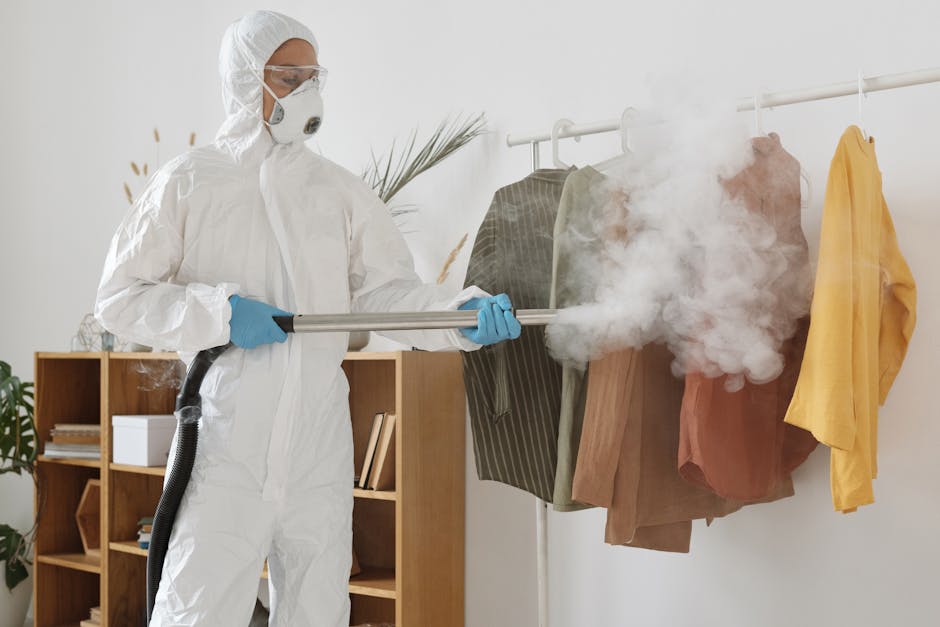
Steam cleaning tips for Broadway Market flats and landlords
Posted on 14/06/2026
Broadway Market flats have a lot going for them: character, location, and that lived-in East London feel people actually want. But they also pick up the usual problems fast - kitchen grease, hallway grit, pet odours, old tenant marks, and carpet wear that seems to appear overnight. If you are a landlord, letting agent, or tenant preparing a move, the right steam cleaning approach can make a flat look fresher without overdoing the chemicals or the disruption.
This guide brings together practical steam cleaning tips for Broadway Market flats and landlords, with a focus on what really works in compact London homes. You will find step-by-step advice, safety considerations, a simple comparison of methods, and a realistic view of when steam cleaning helps and when it does not. That last part matters more than most people think. Let's face it, not every stain bows to hot vapour and good intentions.
For broader property upkeep in the area, you may also find our services overview useful, especially if you are weighing steam cleaning against regular domestic cleaning in Hackney or preparing for a turnover with end of tenancy cleaning in Hackney.

Why Steam cleaning tips for Broadway Market flats and landlords Matters
Broadway Market sits in a part of Hackney where flats tend to be compact, busy, and well used. That matters because small homes show dirt quickly. A bit of kitchen steam, a muddy shoe print near the entrance, or a spill under the sofa can make a room feel tired long before the carpet truly needs replacing. For landlords, that means cleaning is not just about appearance; it is about protecting condition, limiting avoidable wear, and helping the flat feel cared for between tenancies.
Steam cleaning is especially useful where you need deep cleaning without flooding a room with water or scent-heavy chemicals. In a flat with limited ventilation, this can be the difference between a job that dries nicely and one that lingers damp for hours. That said, steam is powerful, so the trick is using it deliberately, not just blasting everything and hoping for the best.
For landlords in particular, good cleaning practice supports better handovers. A cleaner carpet or sofa does not automatically solve a disputed deposit issue, of course, but it can reduce the chances of avoidable arguments about hygiene, odour, or neglected maintenance. And for tenants, a well-steamed flat can make moving day less stressful. Nobody enjoys picking lint and old crumbs out of skirting-line corners at 8 p.m. with boxes everywhere.
If you are also thinking about market trends and local property demand, the surrounding area is part of the picture too. Articles like real estate opportunities in Hackney and investing in Hackney real estate can help landlords understand why presentation standards matter in this part of London.
How Steam cleaning tips for Broadway Market flats and landlords Works
Steam cleaning uses heated water vapour to loosen grime, soften stains, and lift residue from suitable surfaces. In practice, that means a machine heats water, pushes out vapour, and then you use a brush, pad, or attachment to agitate the dirt before wiping or extracting it. Depending on the machine, some systems are more like dry vapour cleaners, while others combine steam with suction for carpets and upholstery.
The important part is understanding that steam does not magically remove everything. It helps break the bond between dirt and the surface. You still need correct technique, dwell time, and, for soft furnishings, a sensible amount of moisture control. If you over-wet a carpet or mattress edge in a flat with poor airflow, you can create a longer drying time and, in the worst case, a musty smell. Not ideal.
On hard floors, sealed tiles, and some kitchen surfaces, steam can work well because the heat helps sanitise and shift grease. On delicate flooring, untreated wood, waxed surfaces, or anything with loose seams, it can be risky. The old rule still stands: if you would not pour water on it, do not assume steam is safe by default.
In landlord terms, think of steam cleaning as one tool in a wider property-care routine. It is often best used for carpets, rugs, upholstery, entrance mats, and selected hard surfaces. For a broader view of related upkeep services, the upholstery cleaning in Hackney page is a helpful companion if your flat includes fabric sofas, dining chairs, or armchairs that gather daily wear.
Key Benefits and Practical Advantages
Steam cleaning earns its place because it solves several problems at once, especially in high-turnover flats.
- Deep cleaning with less chemical residue: useful where you want a fresher finish without leaving heavy cleaning product behind.
- Better presentation for viewings and handovers: carpets, sofas, and grout lines can look noticeably brighter when cleaned properly.
- Odour reduction: not perfume-like masking, but actual removal of trapped dirt and build-up.
- Good fit for compact London homes: many Broadway Market flats need a method that is effective but not messy.
- Versatility: one approach can help with carpets, some upholstery, bathroom tile, and kitchen degreasing.
- Potentially less disruption: compared with more intensive wet cleaning, good steam work can be quicker to carry out and easier to manage in stages.
There is also a quieter benefit that landlords sometimes miss: steam cleaning can help you spot maintenance issues earlier. Once the surface grime is lifted, you may notice a leaking radiator stain, worn carpet backing, or a patch of mould that was hidden by everyday dirt. Catching those things early is far easier than dealing with them after the next tenancy starts.
Expert summary: Steam cleaning is most valuable when it is used as a targeted, surface-appropriate deep clean - not as a blanket fix for every room, every material, or every stain.
Who This Is For and When It Makes Sense
This advice is for anyone responsible for keeping a Broadway Market flat in good condition. That might be a landlord managing a single let, a letting agent arranging an inspection clean, a tenant preparing to move out, or an owner-occupier trying to keep a busy home feeling calm and tidy. Different people need different outcomes, but the practical challenge is similar: how do you clean thoroughly without damaging materials or wasting time?
Steam cleaning makes sense when:
- you have carpeted rooms that need a deeper refresh;
- there are food marks, foot traffic paths, or pet odours;
- you want a stronger clean than vacuuming and surface wiping alone;
- the property needs a presentable standard before new tenants arrive;
- the flat has tiled kitchen or bathroom surfaces with build-up in grout or edges.
It is usually less suitable when the issue is structural or beyond cleaning. For example, steam will not fix water damage, permanently set dye transfer, badly worn carpet pile, or mould caused by unresolved damp. A smart landlord knows the line between cleaning and repair. That line saves money in the long run, frankly.
For wider property upkeep, the local housing and lifestyle context matters too. If you are researching the area, our guides on an insider's guide to Hackney and Hackney's vibrant markets help paint the picture of how busy, varied, and active the neighbourhood can be.
Step-by-Step Guidance
If you want good results, the process matters. Good steam cleaning is methodical, almost boringly so. That is usually a sign you are doing it right.
- Inspect the surface first. Check fabric labels, flooring type, seams, backing, and any signs of damage. If something is already loose or frayed, steam may make it worse.
- Vacuum thoroughly. This is not optional. Loose grit turns into abrasive paste once moisture is added. In a hallway flat, you will notice the difference immediately if you skip this.
- Spot-test a hidden area. Test for colour bleed, texture change, or watermarking. A tiny patch behind a sofa or under a bed can save a headache later.
- Choose the right attachment. Use the narrow tool for edges, the brush for stubborn marks, and a suitable head for upholstery or carpet. One size does not fit all.
- Work in small sections. Overlap passes slightly and keep your hand moving. Do not over-soak one spot trying to force a result.
- Agitate where needed. For carpets and upholstery, light brushing helps lift dirt. For grout, a more focused tool may be needed.
- Extract or wipe promptly. If the machine has suction, use it consistently. If not, follow steam with clean microfibre cloths.
- Let everything dry fully. Open windows if weather allows, use airflow, and avoid heavy foot traffic until dry.
- Inspect once more. Look at edges, corners, and under furniture. These are the places where missed residue hides.
A simple trick for landlords: clean the most visible areas first - hall, living room, entry mats, kitchen flooring - then move to bedrooms and less visible corners. That way, even if drying time stretches into the evening, the property already looks better where it counts.
Expert Tips for Better Results
The difference between an average steam clean and a really good one is often in the small details.
- Work from clean to dirty. Start with the least soiled areas and save the heaviest traffic zones for later.
- Use dry passes where possible. On carpets, a dry finishing pass can help reduce lingering moisture.
- Mind the corners and thresholds. Dirt gathers around skirting boards, door frames, and transition strips. Easy to miss. Very common.
- Keep furniture protection in mind. Use foil or pads under feet if you need to move items back before the floor is completely dry.
- Do not overwork delicate fabric. Some upholstery fibres react badly to aggressive heat or repeated contact.
- Plan around ventilation. A flat above Broadway Market on a damp day may need much longer drying time than one with cross-breeze and openable windows.
- Combine steam with basic housekeeping. It is amazing how much better a room looks after a vacuum, a wipe-down, and a steam treatment - not just steam alone.
One useful real-world habit: take before-and-after photos in the same light. Not for vanity. For clarity. When a landlord is comparing condition before a tenancy changeover, these pictures help you see whether the job is genuinely complete or whether a second pass is needed in a stubborn patch by the sofa.
And yes, sometimes the sofa is the problem. A cup of tea, a rainy day, one careless evening. London flats collect stories whether we want them to or not.
Common Mistakes to Avoid
Steam cleaning can go wrong in predictable ways, which is why it is worth slowing down for a minute.
- Skipping the vacuum stage: dirt turns to mud, and the surface ends up looking patchy.
- Using steam on unsuitable materials: unsealed wood, some natural fibres, adhesive-backed flooring, and damaged seams are all risky.
- Holding the nozzle in one place: this can create water marks, shrinkage, or heat damage.
- Ignoring drying time: a flat that feels damp at 6 p.m. can still smell off by morning if airflow is poor.
- Trying to "steam out" structural stains: some marks are permanent or require repair, not just cleaning.
- Overusing fragrance spray afterwards: it can mask the issue instead of solving it. Bit of a trap, that one.
Another common mistake is assuming every room should be steamed just because the machine is available. Sometimes a simple surface clean is enough. Sometimes a deep clean should be reserved for high-contact zones only. Judgement matters more than enthusiasm.
Tools, Resources and Recommendations
You do not need a warehouse of kit, but the right tools make the job smoother and safer.
| Tool or item | Best use | Why it helps |
|---|---|---|
| Vacuum cleaner with good suction | Carpets, rugs, upholstery prep | Removes grit before steam so you do not grind dirt into fibres |
| Steam cleaner with suitable attachments | Targeted deep cleaning | Lets you match the method to the surface |
| Microfibre cloths | Wiping, finishing, edge work | Absorb residue without leaving fluff |
| Soft brush | Agitation for carpets or grout | Helps loosen embedded dirt |
| Protective gloves | General use | Useful if you are handling cleaning fluids or hot parts |
| Open windows or a fan | Drying support | Reduces damp lingering in a compact flat |
If you are choosing between doing it yourself and booking help, think about the property's condition, the time available, and how much risk you are comfortable with. A one-bedroom flat with light soiling may be manageable in-house. A larger rental with old marks, fabric furniture, and a tight turnaround is often better handled professionally. If you want to compare options, our pricing and quotes page can help you think through the likely next step without guesswork.
You can also explore broader support through about us and our insurance and safety information if peace of mind matters to you before booking any work in a let property.
Law, Compliance, Standards, or Best Practice
For landlords, the main issue is not usually a special steam-cleaning law. It is the wider expectation of keeping a property safe, presentable, and properly maintained. In practical terms, that means using cleaning methods that do not create avoidable hazards, checking for damage before work begins, and avoiding any treatment that could worsen the condition of flooring, upholstery, or fixtures.
Good practice also means being careful around health and safety. Steam is hot, surfaces can become slippery, and electrical equipment should be used sensibly in dry conditions. If cleaners are working in someone else's property, it is sensible to think about ventilation, trip hazards, and whether delicate items need to be moved or protected first. Our health and safety policy and terms and conditions pages are helpful reference points if you want to understand how a professional service typically approaches those responsibilities.
For landlords, record-keeping is also just plain smart. Note what was cleaned, when it was done, and whether any pre-existing issues were found. That can be useful at check-in and check-out, especially if the flat is in a busy letting cycle. Not glamorous, sure, but it saves time when memories get fuzzy later.
Options, Methods, or Comparison Table
Steam cleaning is useful, but it is not the only route. The best choice depends on the surface and the problem you are trying to solve.
| Method | Best for | Pros | Limitations |
|---|---|---|---|
| Steam cleaning | Carpets, upholstery, grout, some sealed hard surfaces | Deep clean, good for embedded grime, less residue | Not suitable for all materials; drying time matters |
| Vacuuming and surface wiping | Routine maintenance | Quick, low risk, useful between deeper cleans | Won't shift deep-set dirt or odours |
| Foam or liquid cleaning | Some upholstery and spot treatment | Can target specific stains | May leave residue or need more drying |
| Professional deep cleaning service | End-of-tenancy resets, heavy soiling, mixed materials | More complete result, less guesswork | Higher cost than doing it yourself |
In many Broadway Market flats, the most sensible approach is actually a mix: regular vacuuming, sensible spot cleaning, and periodic steam treatment for carpets or furniture. That way, you avoid over-cleaning the same area while still keeping the flat fresh enough for everyday living or a smooth move-out.
Case Study or Real-World Example
Imagine a two-bedroom Broadway Market flat with light pet traffic, a small hallway runner, and a cream fabric sofa that has seen one too many takeaway nights. The landlord wants it ready for viewings after the previous tenant moves out, but the flat is compact and does not have much airflow. The risk here is simple: use too much water, and the place stays damp; use too little, and the stains remain obvious.
A sensible approach would be:
- vacuum all soft surfaces thoroughly first;
- spot-test the sofa behind a cushion seam;
- steam the hallway runner in short sections;
- treat the sofa only where fabric type allows it;
- finish with open windows and a fan for drying;
- inspect the room again the next morning in daylight.
In a case like this, the biggest win is not perfection. It is the difference between "lived in and tired" and "fresh enough to view". That is a real distinction in London lettings. If the flat smells clean, looks cared for, and has no obvious residue, most prospective tenants will feel it immediately. They may not say it out loud, but they notice.
Practical Checklist
Use this quick checklist before you start steam cleaning in a Broadway Market flat.
- Identify the surfaces you are cleaning.
- Check labels, finishes, and any manufacturer warnings.
- Vacuum or dry sweep thoroughly first.
- Clear fragile items, loose rugs, and electrical cords.
- Spot-test a hidden area.
- Choose the correct attachment and pressure level.
- Work in small sections, not full-room bursts.
- Wipe or extract moisture promptly.
- Increase airflow for drying.
- Inspect for missed patches once dry.
- Log any damage or stains that were already present.
Quick takeaway: steam cleaning works best when it is planned, surface-aware, and followed by proper drying. Rush it, and the flat can look worse. Do it calmly, and the results are usually very solid.
Conclusion
For Broadway Market flats and landlords, steam cleaning is one of those practical jobs that quietly does a lot of heavy lifting. It can improve presentation, help control odours, refresh tired carpets, and support smoother tenancy turnovers. But it only works well when you match the method to the material, avoid excess moisture, and treat drying as part of the job rather than an afterthought.
If you are managing a rental, the real win is not just cleaner surfaces. It is fewer surprises, better first impressions, and a property that feels properly looked after. That sense of care travels further than people think.
If you want to plan your next clean with a clearer idea of scope and cost, it may help to review our broader service information first and then decide what level of support makes sense for the flat.
Get a free quote today and see how much you can save.
A well-kept flat has a different energy to it. You can feel it the moment you walk in.